The objective
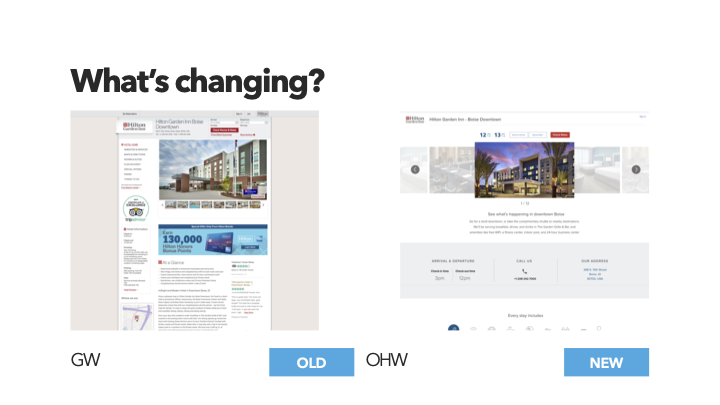
When we started, there were almost 6,000 hotels in the Hilton portfolio. Today, I believe that number is closer to 8,000. Migrating each individual hotel’s site using a new headless CMS allowed us to reimagine property content as reusable and shareable components.
A massive cross-functional endeavor
The all-hands-on-deck effort took partnership from every corner of the enterprise:
- Agile product team (pod)
- UX, UI and research
- Content operations
- E-commerce, our key stakeholder
- Freelance and contract copywriters
- Project managers
The scope of the project introduced me to people and orgs I wouldn’t have met otherwise, and resulted in lasting connections — so valuable in a global corporate environment.
Content governance, copywriting, and editing
I inventoried and audited the existing website and content sources, looking for areas where we could rely on our property information manager (PIM) to supply content. I facilitated the creation of new descriptive copy where structured data wouldn’t fit. The PIM was full of good info — but since many of the fields were open-text, the data needed to be cleaned up before it could be used.
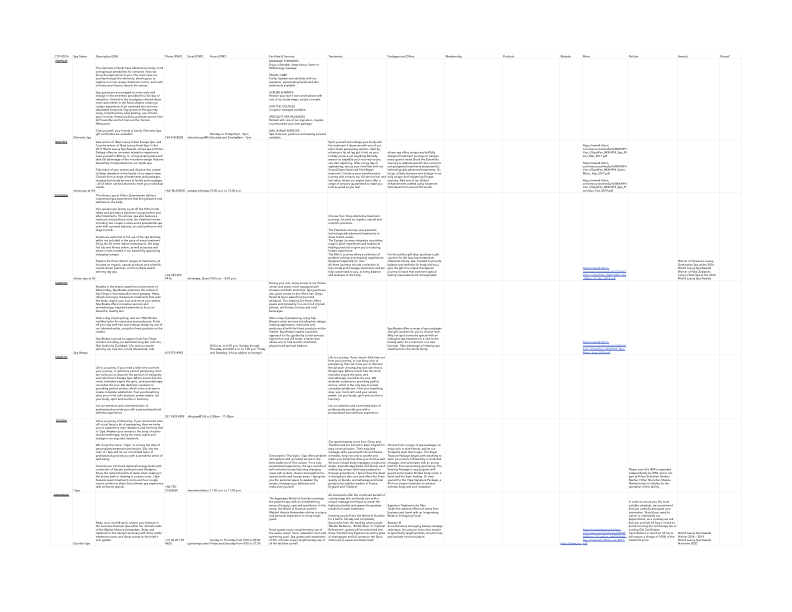
To create the new descriptions, I led a team of 4 – 6 freelancers (flexing with workload) through a series of sprints. Using our research and my knowledge of best practices, I created writing guidelines and trained them to identify key selling points by using personas and desk research, as shown:


With the help of partners on the content operations team, I edited the copy and packaged it for batch import every other Friday for several months. By my back-of-a-napkin calculation, I oversaw the creation of at least 20,000 pieces of content.
Content lifecycle and stakeholder management
Hotel stakeholders were understandably cautious about all the changes. I communicated regularly and openly with the e-commerce manager and gave her thorough documentation so she could to respond to pushback and help them trust the process. She and her team worked with the hotels to clean up their PIM info and meet requirements for new content. Together, we were able to resolve issues quickly and stay agile.
I hosted workshops at key phases to explain new features and help the teams responsible for maintaining the sites minimize content debt. With access to the data that informed our design decisions, they were able to triage change requests more efficiently and prioritize their backlog.
Bringing bespoke luxury to the web
Our final obstacle to decommissioning legacy Hilton.com was a group of hotels with complex content needs. Once we’d migrated the other 99% of the hotels, I turned my attention to these.